How to hide cavities on front teeth
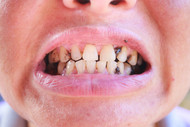
Cavities are very common in the US, with 1 in 4 adults having at least one cavity in their lifetime.
However, not many people know how they’re caused, how to treat them, and most importantly, how to hide them.
Today, we’ll be talking about what a cavity is, what the causes are and how to treat them from the comfort of your own home.
What is a cavity?
Cavities are caused by areas of tooth decay that turn into noticeable holes as a result of plaque buildup, a diet rich in sugar and a poor oral hygiene routine.
Those who have a family history of tooth decay, suffer from gum recession or have dry mouth as a result of medication are more likely to experience cavities.

What causes a cavity?
Most people think that sugary food and drinks cause cavities, but they’re actually caused by the bacteria in the mouth latching onto sugar and carbohydrates and converting them into acids.
This bacteria and acid is then combined with saliva and food left in between the teeth, which causes plaque to coat the teeth.
Without a sufficient oral hygiene routine, the acid in the plaque dissolves the tooth enamel, leading to holes and cavities in the surface of the teeth.
How to spot a tooth cavity
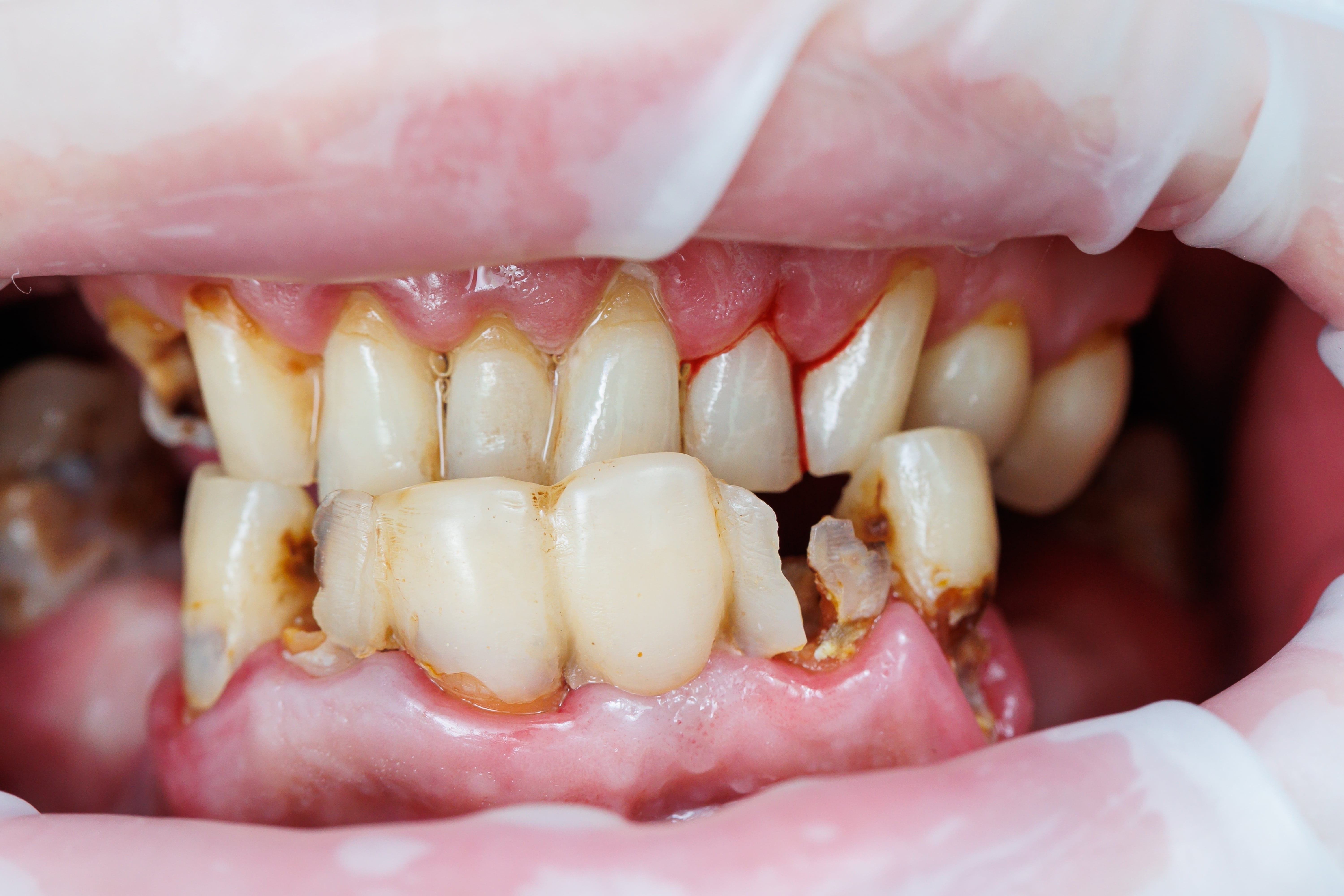
Early signs of a cavity include bad breath or a bad taste in the mouth, bleeding in the gums, facial swelling, toothache and sensitivity.
With cavities, there are a few stages to look out for.
The 5 stages of tooth decay are:
1. Demineralization
As the minerals on your teeth start to break down, small white spots on the tooth/teeth start to appear.
2. Enamel decay
Enamel is the protective outer coating of the teeth. If tooth decay symptoms are left untreated and continue to worsen, the enamel starts to break down, causing noticeable holes (cavities) in the surface of the tooth.
Some patients notice discoloration at this stage too.
3. Dentin decay
Dentin is the layer that sits underneath the enamel, which, if damaged, can cause tooth sensitivity and further discoloration on the surface of the tooth.
Once plaque touches your dentin layer, cavities form much quicker.
4. Pulp damage
Tooth pulp is the very inner layer of the tooth, and holds the nerves and blood vessels.
If cavities get so severe they reach your tooth pulp. You may experience swelling, pain and redness in the gums.
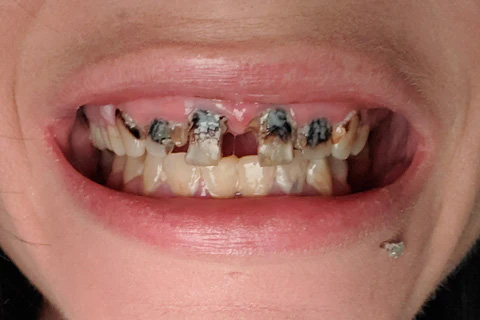
It’s common for the tooth to become black at this stage.
5. Abscesses
The longer you leave a cavity, the worse it gets. A deep cavity can cause infections and abscesses to not just the area of concern, but the surrounding tissue too.

Effects of having tooth cavities
Having cavities in any of your teeth can cause pain and discomfort.
People often complain about sensitivity when eating cold foods like ice cream or drinking hot drinks.
This can often lead to people avoiding certain foods, impacting their overall health.
But this isn’t all. Cavities can cause the teeth to adopt a yellowish hue and sometimes even become brown. This often leads to low self-esteem in the individual, causing them to hide their smile.
Low confidence from a smile can greatly impact someone’s quality of life, negatively affecting social, romantic and professional relationships.
How to prevent cavities
1. Brushing should be done on a regular basis, but not excessively
Most people know that brushing their teeth twice a day is one of the best ways to get rid of plaque and germs and keep their teeth clean. Brushing, however, may only be effective if people use the proper technique.
When you brush, you should move your toothbrush in small circles and brush the front, back and top of each tooth. It takes between 2 and 3 minutes to complete this process. Back-and-forth sawing motions should be avoided.
You can hurt your gums and tooth enamel if you brush too hard or use a toothbrush with stiff bristles. Tooth sensitivity, permanent damage to the protective enamel on the teeth and gum erosion are possible side effects.
2. Fluoride is beneficial
Fluoride is often added to public water supplies in order to help prevent tooth decay. However, some people have raised concerns about the safety of fluoride, claiming that it can lead to health problems such as bone cancer and thyroid problems.
While it is true that fluoride can be harmful if ingested in large quantities, the level of fluoride in public water supplies is carefully regulated and poses no significant risk to human health. In fact, the benefits of fluoride far outweigh any potential risks.
Studies have shown that fluoride helps to reduce tooth decay, and it is also effective in treating and preventing other dental problems such as gum disease. Moreover, fluoride has been shown to be safe for both children and adults when used as directed.
Given all of these benefits, it is clear that fluoride is a valuable tool in the fight against tooth decay.
3. Floss at least once a day
Plaque germs can get stuck between teeth, and a toothbrush can't eliminate them. Flossing can also aid in the prevention of bad breath by removing debris and food stuck between the teeth.
Most dental health professionals say that you should gently push the floss down to the gum line and then move it up and down along the side of the tooth. It's important to avoid snapping the floss between the teeth, as this can cause pain and reduce the effectiveness of plaque removal.
4. Visit the dentist regularly
Experts recommend that people visit a dentist for a checkup every six months. A hygienist will clean your teeth and remove plaque and tartar during a routine dental examination.
The dentist will check for tooth decay, gum disease, mouth cancer, and other problems with oral health. They may also use dental X-rays to check for cavities on occasion.
People can ask their dentist how often they should have their teeth checked. The answer may vary depending on a person's health history, age, and overall dental health. However, anyone who notices changes in their mouth should see a dentist.
5. Quit smoking
The immune system is harmed by smoking, making it difficult for the body to heal tissues, including those in the mouth. Smoking has also been identified as a risk factor for gum disease. This means people who smoke may take longer to get better after getting dental work done.
Smoking also has an adverse effect on the mouth's appearance, causing yellowing of the teeth and tongue, as well as giving breath a foul odor.
6. Invest in a mouthwash
Studies have shown that some mouthwashes are good for the health of your teeth and gums. According to one study, mouthwash containing the antibacterial ingredient chlorhexidine helps control plaque and gingivitis.
People may want to talk to their dentist about which mouthwash will work best for them. Mouthwash isn't as good as brushing and flossing, but it can help when combined with the two.
7. Avoid eating foods that are high in sugar and starch
Cavities are no fun. Not only are they painful, but they can also lead to more serious dental problems down the road. The good news is that cavities are preventable, and one of the best ways to avoid them is to limit your intake of sugary and starchy foods.
When bacteria in the mouth break down these types of foods, they produce acids that can damage tooth enamel. Over time, this damage can lead to cavities. So if you want to keep your teeth healthy and cavity-free, cut back on the candy and carbs.
8. Instead of sugary drinks, drink water
There's nothing quite like a cold, refreshing glass of water after a long day. Not only is it good for your health, but it can also help you avoid cavities. That's right - sugary drinks are one of the leading causes of cavities, and water is the best way to keep your teeth healthy and strong. When you drink water, it helps to rinse away food and plaque that can build up on your teeth. This can help to prevent cavities from forming, and it can also keep your breath fresh and clean. So next time you're reaching for a sugary drink, remember that water is the best way to avoid cavities.
How to treat cavities
The treatment depends on the severity of your cavity.
If you find your cavity early, your dentist is likely to perform fluoride treatments (to help repair damaged enamel) and fillings (filling in the hole with a composite resin) to prevent bacteria build-up and stop the cavity from getting worse.
However, if it’s past the point of no return, root canal treatment or tooth extraction are likely.
How to hide front tooth decay
There are a few options when it comes to hiding a cavity and tooth decay, but this often depends on the severity of the cavity and the dentist’s recommendations.
For example, if you’ve had root canal therapy, a crown is often needed to add strength to the affected tooth. But if you’ve had a tooth removed because of a cavity, you may want to get an implant or bridge to hide the gap.
If your damaged tooth is a slightly different color from the rest of your teeth, teeth whitening or composite bonding can help brighten and perfect the tooth that’s been affected.

How to cover a cavity on front teeth
Cavities don’t just affect the back teeth, they can also appear on the front teeth, which are much harder to cover naturally.
If the cavity is left untreated for a prolonged period of time and discoloration starts to appear, it can cause low self-esteem and lead to people hiding their smiles.
This can have a huge impact on a person’s quality of life and negatively affect relationships.
While sophisticated dental treatments are available – like veneers and bonding – they can often look out of place if just one tooth is treated.
However, even just having one tooth treated is way too expensive for a lot of people, leading to many living with a smile they’re not happy with.
How to cover a cavity on your front tooth at home
If you have a cavity and are insecure about the way it looks, it’s advised to go to see your dentist as soon as possible.
They can check how severe the cavity is, predict if it will get any worse and treat it accordingly.
If your cavity has been treated but you have leftover discoloration (often in the form of a yellow/brown hue) it can really knock your confidence.
People experiencing this often avoid seeing friends, going on dates and leading meetings at work as they don’t feel confident showing off their teeth.
But not to worry! instasmile has the solution for you!
Our clip-in veneers are quick, easy and natural, allowing you to take on each day with confidence.
Causing no damage to your natural teeth, our smile solution perfects not only previous cavities but the rest of your smile too – making it a great alternative to porcelain veneers, partial dentures, dental implants, crowns and cosmetic dentistry methods like braces and teeth whitening.

How to hide rotten teeth
If your teeth have become rotten over time, it can be hard to cover them up. But it can be expensive too!
For cosmetic concerns like this, you’re looking at spending around $100-$500 per tooth.
If only there was a cheaper alternative…
Did you know, you can get top and bottom snap-on veneers from instasmile for less than $750?
Our affordable methods are guaranteed to give you the bright, white smile you deserve without having to break the bank.
Restore your confidence with instasmile!
Are you bored of hiding your smile in selfies?
Do you want to disguise cavity damage on your front teeth with fake teeth that look real?
For the perfect natural-looking smile, get in touch with us today and rediscover your confidence.
 UK
UK
 USA
USA
 Australia